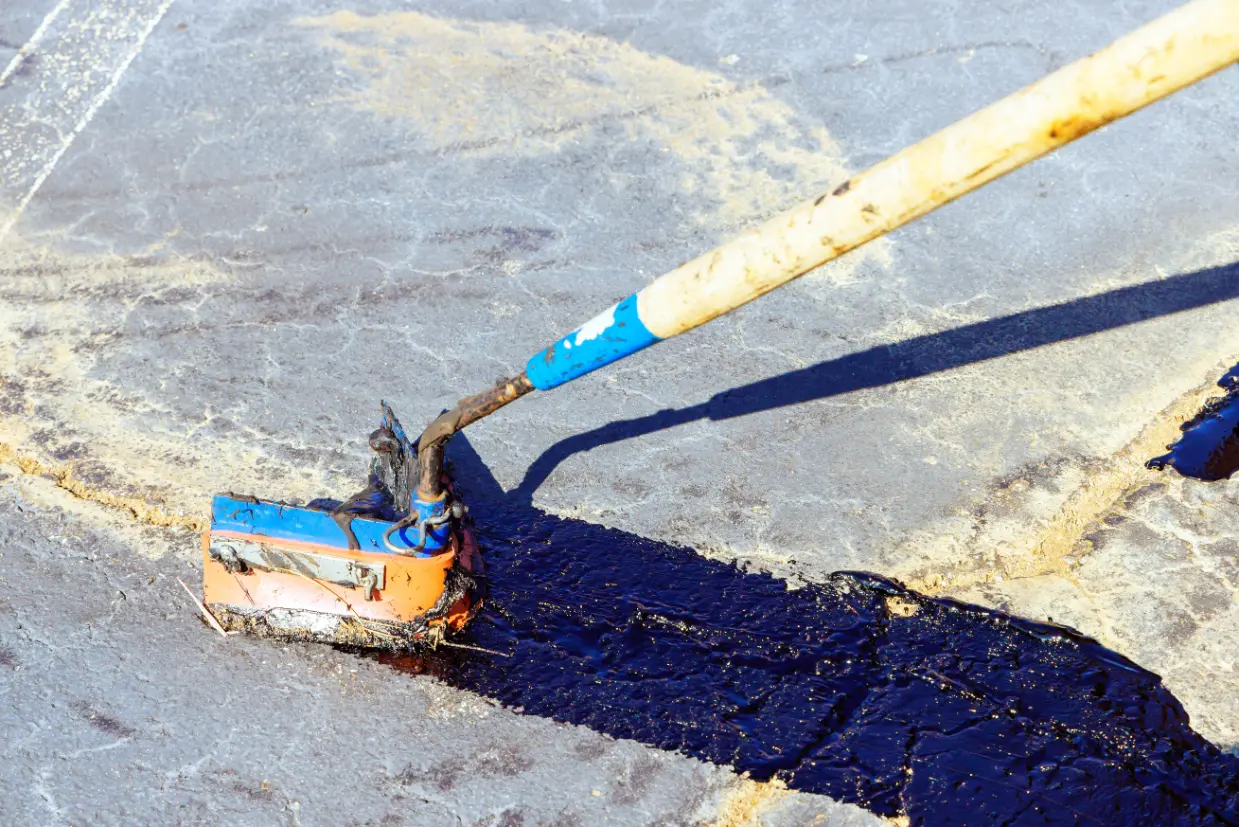
As winter retreats and spring approaches in Great Falls, Montana, property owners face a critical maintenance window that many overlook. The transition between seasons brings unique challenges for asphalt surfaces, particularly in regions that experience freeze-thaw cycles. March crack sealing represents one of the most cost-effective preventive measures property owners can take to protect their investments before spring rains arrive.
Asphalt maintenance becomes increasingly important as temperatures begin warming and precipitation patterns shift. Great Falls property owners who delay addressing crack sealing until warmer months often find themselves dealing with more extensive and expensive repairs. Understanding why March crack sealing matters can help protect parking lots, driveways, and other asphalt surfaces from accelerated deterioration.
Understanding Winter Damage and Spring Vulnerability
Montana winters leave their mark on asphalt surfaces in ways that may not be immediately visible. Water penetrates small cracks during winter months, freezes, and expands, causing existing damage to worsen significantly. Property owners in Great Falls, MT, often underestimate how severely frozen water can compromise asphalt integrity.
As spring arrives, warmer temperatures thaw this accumulated ice and water within the asphalt layers. This thawing process creates internal stress that can rapidly expand small cracks into major damage requiring extensive repairs. The combination of winter damage crack sealing needs becomes apparent as March approaches, offering property owners a brief window to address vulnerabilities before spring rains exacerbate the situation.
Spring asphalt repair that begins in March catches problems at an optimal time. Temperatures are warm enough for proper sealant application, yet the ground remains stable enough for quality workmanship. Waiting until April or May means missing this crucial maintenance opportunity when conditions are ideal for crack sealing work in Montana.
The Critical Role of Spring Crack Repair
Spring crack repair serves as the first line of defense against expensive pavement failure. Water is asphalt’s primary enemy, infiltrating even tiny fissures and compromising the base layers underneath. A single spring season with untreated cracks can accelerate deterioration that would normally take years to develop.
Great Falls parking lot cracks demand immediate attention before spring rains arrive. These cracks provide direct pathways for water to penetrate beneath the surface, where it weakens the foundation supporting the entire parking lot structure. Once water reaches subsurface layers, it becomes exponentially more difficult and costly to repair the resulting damage.
The timing of spring crack repair cannot be overstated. March represents the optimal window for Great Falls, MT, property owners because it allows sealant to cure properly before heavy spring rains typical of April and May. This preparation prevents water from entering newly sealed cracks during their curing period, ensuring maximum effectiveness.
Property owners who schedule crack sealing in March benefit from more predictable weather conditions compared to later spring months. This reliability allows contractors to complete work without weather interruptions, resulting in better quality application and longer-lasting results for Montana spring maintenance needs.
How Freeze-Thaw Cycles Compromise Asphalt
The freeze-thaw cycle represents one of the most destructive forces acting on asphalt in cold climates. This cycle repeats dozens of times throughout Montana winters as temperatures fluctuate above and below freezing. Each cycle causes minor expansion and contraction that weakens asphalt structure.
Water entering small cracks during the freeze phase expands with tremendous force as it turns to ice. This expansion pressure pushes outward against asphalt, gradually widening cracks and creating new damage points. As temperatures rise, the ice melts, leaving larger gaps than existed before.
Over a single winter, this repetitive cycle can transform minor surface cracks into serious structural problems requiring major repairs. Great Falls property owners who understand this process recognize that March crack sealing represents prevention, not just maintenance. By sealing cracks before they experience repeated freeze-thaw cycles next winter, property owners avoid exponential damage escalation.
Spring asphalt repair focuses on addressing damage that developed during winter while preventing future problems. This proactive approach saves property owners substantial money compared to reactive repairs necessitated by seasons of neglect. The cost of crack sealing in March is minimal compared to patching, resurfacing, or complete asphalt replacement later.
Economic Benefits of Timely Crack Sealing
Delaying crack sealing decisions until summer or fall typically results in higher expenses for Great Falls property owners. Once spring rains saturate cracks and allow water to reach base layers, damage compounds rapidly. What could have been sealed affordably in March might require expensive patching or pothole repairs by June.
Parking lot cracks in Montana that remain unsealed through spring and summer eventually lead to alligator cracking. This pattern of interconnected cracks spreads across the entire surface, significantly reducing pavement lifespan. Repairing alligator cracking costs substantially more than early crack sealing would have.
Insurance and liability considerations also favor early spring crack sealing. Unsealed cracks contribute to trip hazards and water damage that could result in liability claims. Property owners who neglect asphalt maintenance in Great Falls, MT, may find insurance companies less willing to cover damage resulting from preventable deterioration.
The economic logic strongly supports March crack sealing as part of comprehensive asphalt maintenance strategy. Small upfront investments in sealant application prevent large future expenditures on extensive repairs. Property owners who understand this principle treat crack sealing as essential maintenance rather than optional expense.
Spring Weather Conditions Perfect for Sealant Application
March weather in Great Falls, Montana, provides ideal conditions for crack sealing work that later seasons cannot match. Daytime temperatures are warming above freezing, allowing sealants to cure properly without extended cold weather delays. Nighttime temperatures remain cool enough that ground hasn’t begun heating excessively, promoting uniform sealant curing.
Spring asphalt repair contractors prefer March scheduling because it allows them to complete work before the hectic season of late spring and summer. This means faster scheduling, potentially lower costs through increased efficiency, and less competition for contractor attention. Property owners booking crack sealing services in March often receive better rates than those waiting until May or June.
Humidity levels in March also support quality crack sealing work. The moderate moisture content in Montana spring air allows sealants to cure evenly without trapping moisture underneath that could compromise long-term effectiveness. Later seasons bring either excessive heat or increased precipitation that complicates the curing process.
Great Falls property owners who schedule their crack sealing in March benefit from all these environmental factors working in their favor. The weather cooperates, contractors have availability, and the work receives proper time to cure before summer heat arrives. This convergence of favorable conditions makes March the optimal month for spring crack repair throughout Montana.
Conclusion
March crack sealing represents essential maintenance for Great Falls property owners seeking to protect asphalt investments. By addressing winter damage crack sealing needs before spring rains arrive, property owners prevent expensive repairs and extend pavement lifespan significantly. The combination of ideal weather conditions, contractor availability, and urgent prevention needs makes March the critical month for spring asphalt repair. Schedule your crack sealing services now to keep your Montana parking lot cracks and driveways protected through the seasons ahead.
Need Asphalt Maintenance & Repair Services Near You?
Here at J&L’s Maintenance, we’re a family-owned business with over 30 years of experience proudly serving the State of Montana. Whether you need parking lot maintenance, snow plowing, or asphalt repair, we’ve got you covered with reliable and professional services. We offer free estimates and stand by the quality of our work, ensuring your project is in the best hands. Don’t hesitate—reach out to us today! We look forward to assisting you with all your asphalt needs.
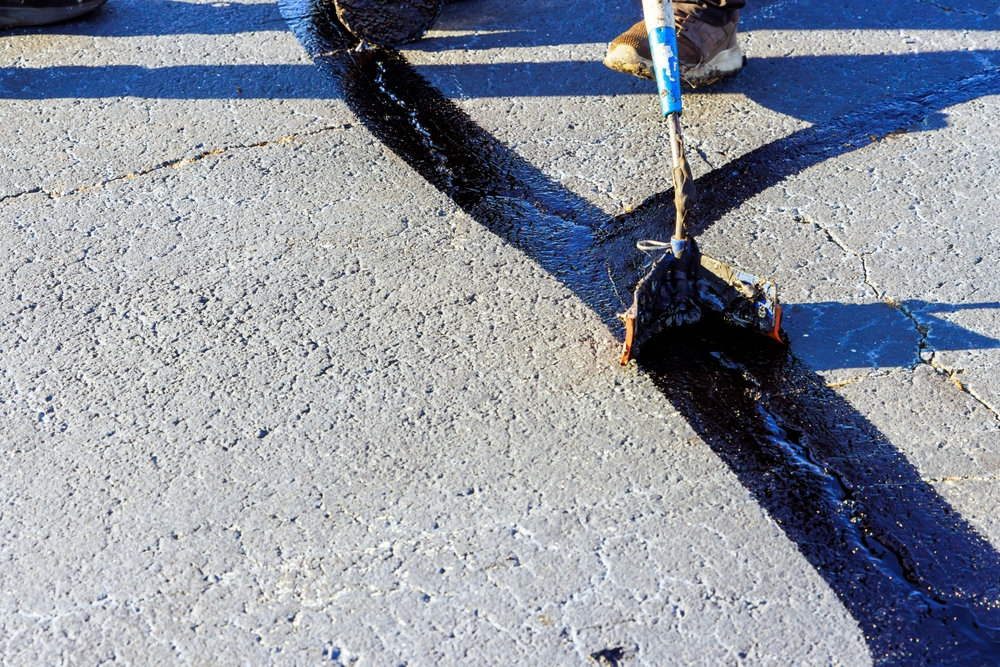
Asphalt surfaces, particularly in regions like Montana, endure unique challenges due to the state’s extreme climate. The cycle of freezing and thawing, which fluctuates with the seasons, has a profound impact on the durability and lifespan of asphalt parking lots, roads, and other paved surfaces. This freeze-thaw cycle causes cracks, potholes, and other forms of damage that require timely attention. One of the most effective methods of preventing these issues from worsening is crack sealing, a crucial aspect of preventive pavement maintenance. By addressing cracks early and using this technique, property owners can significantly reduce the need for costly repairs later, saving both money and time in the long run.
Understanding the Freeze-Thaw Cycle and Asphalt Damage
Montana’s climate is notorious for its unpredictable temperature shifts, particularly during the winter and early spring months. The freeze-thaw cycle occurs when water from snowmelt or rainfall seeps into small cracks in the asphalt. As the temperatures drop, the water freezes and expands, exerting pressure on the asphalt. When temperatures rise again, the ice melts, and the water contracts. This constant expansion and contraction of the water beneath the surface lead to a gradual breakdown of the asphalt material. Over time, these repeated freeze-thaw cycles cause cracks to widen and deepen, accelerating the deterioration of the pavement.
The result of this freeze-thaw damage can be seen in the form of surface fissures, potholes, and structural weaknesses in the asphalt. Without prompt action, these cracks become more pronounced, allowing water and other damaging elements to penetrate deeper into the surface. As moisture continues to infiltrate the pavement, the risk of more severe damage increases, and the cost of repairs escalates. In areas like Montana, where the freeze-thaw cycle is a constant concern, addressing these cracks early through proper maintenance is essential to preserving the integrity of asphalt surfaces.
The Role of Crack Sealing in Preventive Pavement Maintenance
Crack sealing is one of the most effective preventive measures for protecting asphalt from the damaging effects of the freeze-thaw cycle. When cracks appear on an asphalt surface, they provide an entry point for water, dirt, and other harmful elements. If left unchecked, these cracks will continue to grow and compromise the structural integrity of the asphalt. However, by sealing these cracks promptly, property owners can prevent water from entering the surface and causing further damage.
Crack sealing involves filling the cracks with a specialized sealant that is designed to expand and contract with the pavement. This flexible material creates a waterproof barrier that helps prevent moisture from seeping into the cracks and freezing during colder temperatures. The sealant also helps protect the asphalt from the damaging effects of UV rays, oil, and other substances that can break down the surface over time. This proactive approach ensures that the cracks do not widen or deepen, reducing the potential for costly repairs down the road.
For property owners in Montana, crack sealing is particularly important due to the frequency and intensity of the freeze-thaw cycle. The harsh winters and unpredictable spring temperatures mean that the freeze-thaw effect is a constant concern. By taking steps to seal cracks before the damage becomes extensive, property owners can extend the lifespan of their asphalt and prevent more serious and expensive repairs.
How Crack Sealing Saves Money in the Long Run
The primary benefit of parking lot crack sealing in Montana is its cost-effectiveness. While the initial cost of crack sealing may seem like an added expense, it is a small price to pay compared to the cost of major asphalt repairs or resurfacing. When cracks are left untreated, they allow moisture to penetrate the surface, which, over time, can cause significant damage that requires costly repairs, such as patching, resurfacing, or even complete reconstruction.
In fact, studies have shown that regular crack sealing can reduce the overall maintenance costs of asphalt surfaces by as much as 50%. This is because crack sealing helps to maintain the structural integrity of the asphalt, preventing the need for extensive repairs or replacements. Furthermore, by addressing cracks early, property owners can avoid the need for more disruptive and expensive interventions, such as full resurfacing, which can be highly costly and time-consuming.
Additionally, crack sealing helps improve the overall safety and appearance of the asphalt surface. Cracks can create trip hazards and cause water to pool on the surface, leading to further deterioration. Sealing these cracks not only preserves the functionality of the parking lot or road but also enhances the aesthetics of the property, which is especially important for commercial properties that rely on a well-maintained image.
The Importance of Timely Crack Sealing
For optimal results, crack sealing must be done in a timely manner. Waiting too long to address cracks allows the damage to escalate, making the sealing process less effective and more expensive. In Montana, where freeze-thaw cycles are prevalent, it is essential to address cracks as soon as they appear. Delaying the sealing process can lead to larger cracks that are more difficult to seal and require more resources to repair. Moreover, the longer the cracks are left untreated, the more likely they are to cause issues such as water infiltration, which accelerates the breakdown of the pavement.
To get the best results from crack sealing, property owners should schedule regular inspections and maintenance to identify cracks early. This proactive approach ensures that cracks are sealed before they have a chance to worsen, allowing for effective long-term preservation of the asphalt. In addition to sealing cracks, property owners should also invest in regular maintenance measures, such as sweeping, sealcoating, and filling potholes, to keep the asphalt surface in good condition and reduce the impact of the freeze-thaw cycle.
Regular maintenance can also help identify other potential issues, such as areas with poor drainage or excessive wear and tear, that may require attention before they become major problems. By staying ahead of potential issues, property owners can avoid costly repairs and extend the lifespan of their asphalt surfaces for years to come.
Choosing the Right Crack Sealing Contractor
When it comes to crack sealing in Montana, choosing the right contractor is crucial for ensuring high-quality results. A qualified contractor will have the experience, knowledge, and equipment necessary to perform crack sealing effectively and efficiently. It is important to choose a contractor who specializes in asphalt maintenance and is familiar with the specific challenges posed by the freeze-thaw cycle in Montana.
Before hiring a contractor, property owners should ask about the materials and methods they use for crack sealing. The best contractors will use high-quality sealants that are designed to withstand the extreme temperature fluctuations typical of Montana’s climate. Additionally, they will follow proper procedures for preparing the surface, cleaning the cracks, and applying the sealant to ensure a long-lasting result.
It is also important to work with a contractor who offers ongoing maintenance services and is committed to helping property owners keep their asphalt surfaces in optimal condition. Regular inspections and maintenance can prevent costly repairs and keep the surface functioning well throughout the year, even during the harshest winter months.
Conclusion
In Montana, where the freeze-thaw cycle is a constant concern, crack sealing is one of the most effective ways to preserve the integrity of asphalt surfaces. By addressing cracks early and sealing them with a high-quality sealant, property owners can prevent water infiltration, reduce the risk of further damage, and save money on costly repairs. Timely crack sealing not only extends the lifespan of asphalt but also enhances safety and aesthetics. With the right contractor and a proactive maintenance plan, property owners can protect their investments and avoid the need for expensive asphalt repairs down the road. The importance of preventive pavement maintenance, particularly in the face of Montana’s freeze-thaw challenges, cannot be overstated, and crack sealing stands as a key tool in preserving the longevity of asphalt surfaces.
Need Asphalt Maintenance & Repair Services Near You?
Here at J&L’s Maintenance, we’re a family-owned business with over 30 years of experience proudly serving the State of Montana. Whether you need parking lot maintenance, snow plowing, or asphalt repair, we’ve got you covered with reliable and professional services. We offer free estimates and stand by the quality of our work, ensuring your project is in the best hands. Don’t hesitate—reach out to us today! We look forward to assisting you with all your asphalt needs.