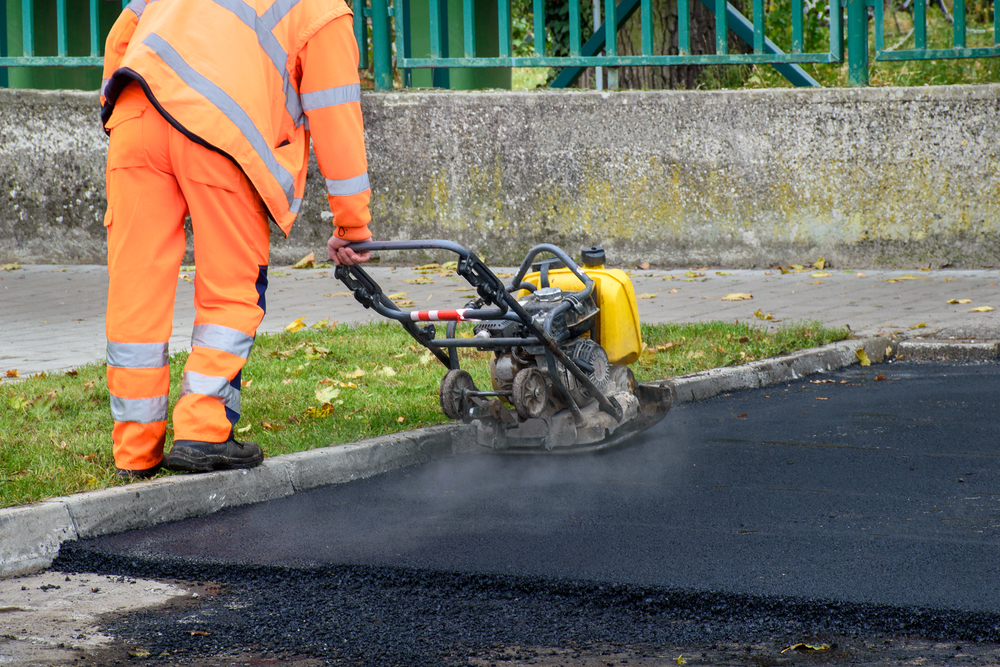
A few narrow cracks or a shallow low spot in a driveway may not look urgent. In Great Falls, however, cold winters, moisture, snowmelt, and rapid temperature changes can turn minor asphalt damage into a much larger repair problem.
Choosing the right contractor early can help you understand what needs attention now, what can be monitored, and whether maintenance or repair makes more sense.
Quick answer: Choose an asphalt contractor by looking for someone who evaluates the condition of the entire pavement, explains why the damage developed, recommends repair based on the pavement’s condition, and provides a clear scope of work. In Great Falls, contractors should also understand how local temperature swings, winter moisture, drainage, and freeze-thaw conditions affect asphalt.
What local property owners should know
-
Small cracks should be evaluated before water has repeated opportunities to enter and weaken the pavement.
-
Great Falls weather can move between freezing conditions and significant warming, making existing pavement defects especially important to monitor.
-
Drainage matters because standing water and snowmelt can accelerate deterioration around cracks, low areas, and pavement edges.
-
A low price does not tell you whether the contractor is addressing the cause of damage or simply covering its appearance.
-
The right repair depends on whether the problem is limited to the surface or extends into the asphalt base.
Why Does Choosing the Right Asphalt Contractor Matter in Great Falls?
Choosing the right asphalt contractor matters in Great Falls because local pavement has to handle cold weather, moisture, summer heat, and repeated temperature changes that can expose weaknesses in aging asphalt. A contractor should consider those conditions instead of treating every crack, pothole, or worn surface the same way.
The National Weather Service describes north-central Montana winters as subject to both cold Arctic air and abrupt warming from Chinook winds. Those shifts make it especially useful to keep water out of vulnerable pavement and address deterioration before another winter.
Properties near the Missouri River, around Black Eagle, toward Malmstrom Air Force Base, and throughout surrounding Cascade County can also have different drainage, exposure, traffic, and pavement-use conditions.
J&L’s Maintenance understands that choosing an asphalt service should start with identifying the actual pavement problem. From this point forward, we focus on helping property owners understand their options rather than assuming that every damaged surface needs the same treatment.
What Should a Good Asphalt Contractor Look at Before Recommending Repairs?
A good asphalt contractor should inspect cracking, drainage, pavement edges, depressions, potholes, surface wear, and signs of underlying movement before recommending a repair. The goal is to determine whether the visible damage is isolated or a symptom of a deeper pavement problem.
A surface crack may need a very different approach from pavement that is breaking apart around a sunken area. Water collecting after snowmelt or rain may also point to grading or drainage conditions that need to be considered.
Ask what the contractor sees, why they believe the damage developed, and what their proposed work is intended to accomplish.
What Local Weather Conditions Affect Asphalt?
Great Falls asphalt is affected by freezing temperatures, snow and ice, moisture, strong seasonal temperature changes, and warm summer conditions. Existing cracks can allow moisture into the pavement, where continued weather exposure can contribute to widening cracks, broken edges, and surface deterioration.
Chinook conditions are particularly relevant to this part of Montana because winter temperatures can change rapidly. Asphalt does not fail simply because temperatures rise and fall, but damaged pavement becomes more vulnerable when moisture and repeated seasonal movement are already present.
Spring and early fall are useful times for property owners to walk paved areas and note changes before more severe weather arrives.
What Warning Signs Should You Have an Asphalt Contractor Inspect?
You should have an asphalt contractor inspect damage that is spreading, holding water, breaking apart, sinking, or affecting normal use of the paved surface.
Watch for:
-
Cracks that are becoming wider or longer
-
Multiple connected cracks in the same area
-
Loose aggregate or crumbling pavement
-
Potholes or areas beginning to break away
-
Depressions where rainwater or snowmelt collects
-
Broken or unsupported pavement edges
-
Uneven areas that affect driving or walking
-
Previously repaired areas that are deteriorating again
One small crack does not automatically mean major reconstruction is necessary. Several warning signs occurring together deserve closer attention.
When Should You Call an Asphalt Professional?
Call an asphalt professional when damage is expanding, water is entering or collecting around the pavement, or you cannot tell whether the problem is surface-level or structural. Minor changes can be monitored, but continuing deterioration should not simply be covered without understanding its cause.
Local property owners can safely inspect pavement after winter, clear debris from drainage paths, and watch existing cracks for changes.
Professional evaluation becomes more useful when pavement is sinking, breaking apart, developing potholes, or showing widespread cracking. Those symptoms can indicate that a simple surface treatment may not be enough.
What Commonly Causes Asphalt Damage Around Great Falls?
Common asphalt damage around Great Falls is often associated with moisture intrusion, seasonal temperature changes, drainage problems, traffic loads, pavement age, and weaknesses beneath the surface.
1. Water entering cracks: Once pavement opens, rain and melting snow have a pathway below the surface.
2. Freeze-thaw exposure: Moisture combined with changing winter temperatures can aggravate existing defects.
3. Poor drainage: Low spots and blocked drainage paths keep water where pavement is already vulnerable.
4. Heavy or repeated traffic: Commercial lots, service areas, and frequently used driveways can experience concentrated wear.
5. Edge deterioration: Unsupported edges may crack or crumble as vehicles repeatedly travel near them.
These factors can affect properties from central Great Falls to Black Eagle, Sun Prairie, Vaughn, and other parts of Cascade County.
How Can Property Owners Help Prevent Larger Asphalt Repairs?
Property owners can reduce the risk of larger asphalt repairs by inspecting pavement regularly, addressing drainage issues, keeping the surface clean, and responding to developing cracks before deterioration spreads.
A practical local schedule is to check pavement after winter conditions ease and again before colder weather returns. Look closely around downspouts, parking-lot drains, driveway edges, low spots, and areas where snow tends to accumulate.
Keep drainage routes clear and avoid treating a cosmetic coating as a substitute for repairing significant underlying damage.
DIY observation and cleaning are useful. Diagnosing sinking pavement, widespread cracking, or base failure is better left to someone who works with asphalt repair.
What Results Should You Expect From Asphalt Repair?
A properly selected asphalt repair should address the type and extent of damage present, improve the affected area, and help prevent an existing defect from worsening as quickly. The exact result depends on pavement age, drainage, base condition, traffic, and the repair method used.
A reputable contractor should explain those limitations before work begins.
Some pavement can benefit from targeted maintenance or localized repairs. Asphalt with extensive structural deterioration may require more significant work. Be cautious of anyone promising that one treatment will solve every pavement condition.
What Mistakes Should You Avoid When Hiring an Asphalt Contractor?
The biggest hiring mistakes are choosing solely by price, accepting a vague scope of work, and waiting until minor pavement damage becomes widespread.
Mistake: Comparing only the total price.
Consequence: Two estimates may cover completely different amounts of preparation and repair.
Better approach: Compare exactly what each contractor proposes to do.
Mistake: Focusing only on appearance.
Consequence: Covering visible damage may leave the underlying cause untouched.
Better approach: Ask why the damage occurred.
Mistake: Ignoring drainage.
Consequence: Water may continue reaching the repaired area.
Better approach: Discuss low spots, runoff, and snowmelt before work begins.
Mistake: Waiting through another Montana winter without evaluating spreading damage.
Consequence: A smaller repair area may continue deteriorating.
Better approach: Have questionable areas assessed while repair choices are still available.
What Is a Common Local Asphalt Scenario?
A common local scenario is a driveway or parking area that looks mostly serviceable but develops several cracks and a low area where spring snowmelt collects. The owner postpones the issue because vehicles can still use the pavement normally.
Over time, the cracks become more noticeable and the pavement begins breaking along one edge.
That situation does not automatically mean the entire paved area needs replacement. It does mean the property owner benefits from finding out whether targeted repairs, maintenance, drainage improvements, or more extensive work are appropriate before deterioration advances.
Which Asphalt Services Can Address Early Pavement Damage?
The right asphalt service depends on whether the pavement needs preventive maintenance, crack-related attention, localized repair, or more extensive restoration. An inspection should come before choosing the solution.
For property owners comparing asphalt options, we can help evaluate the affected area and discuss an appropriate scope based on its current condition.
Should You Choose a Small Repair or Wait for Larger Asphalt Work?
Addressing isolated damage is generally worth considering before waiting for deterioration to spread, but the pavement’s overall condition should determine the decision. Repairing one problem area makes more sense when the surrounding pavement remains functional than when cracking and structural failure affect most of the surface.
In other words, the choice is not automatically “repair versus replacement.”
The more useful comparison is:
-
Localized damage versus widespread deterioration
-
Surface defects versus underlying failure
-
Preventive maintenance versus corrective repair
-
A defined repair now versus continued monitoring with a clear reason
Ask your contractor to explain where your pavement falls within those categories.
What Areas Around Great Falls Can Have Similar Asphalt Concerns?
Properties throughout Great Falls and surrounding Cascade County can face similar seasonal pavement concerns because they share many of the same north-central Montana weather patterns. That includes areas near Black Eagle, Malmstrom AFB, Sun Prairie, Vaughn, Ulm, and communities farther into the county such as Belt.
Conditions still vary from property to property, particularly with drainage, traffic, pavement age, and site exposure.
What Can Happen If Small Asphalt Damage Is Ignored?
Ignoring small asphalt damage can allow cracks, broken edges, low spots, and moisture-related deterioration to expand until the repair area becomes larger. The risk is not that every small crack will become an immediate pavement failure, but that waiting can reduce the number of practical maintenance and repair options available.
That matters in a climate where another winter can expose already-damaged pavement to moisture and significant temperature changes.
Getting an assessment gives you information. It does not obligate you to replace pavement that still has useful service life.
Frequently Asked Questions About Asphalt Contractors in Great Falls
These answers cover the questions Great Falls property owners commonly need to consider before choosing an asphalt contractor or deciding whether pavement damage deserves professional attention.
How do I choose an asphalt contractor in Great Falls, MT?
Choose a contractor who inspects the existing pavement, explains the cause and extent of the damage, and gives you a clear scope of work. Ask what preparation is included, what problem the proposed service addresses, and whether drainage or underlying pavement conditions could affect the result.
When should asphalt cracks be repaired in Great Falls?
Asphalt cracks should be evaluated when they begin widening, spreading, collecting debris, or allowing moisture into the pavement. In Great Falls, checking pavement after winter and before the next cold season gives property owners an opportunity to identify developing damage before additional weather exposure.
Does Great Falls weather cause asphalt cracks?
Great Falls weather can contribute to asphalt deterioration, especially when pavement already has cracks or moisture intrusion. Cold periods, snowmelt, summer heat, and rapid winter temperature changes can all place stress on aging pavement. Construction quality, drainage, traffic, and pavement age also affect how quickly damage develops.
Does a cracked driveway in Cascade County need replacement?
No, cracking alone does not automatically mean a driveway needs replacement. The appropriate solution depends on how widespread the cracks are, whether the pavement is sinking or breaking apart, the condition of its base, and whether drainage problems are present. An inspection can distinguish localized damage from broader structural deterioration.
Can I wait until spring to repair asphalt damage?
Sometimes, but waiting should depend on the condition of the pavement rather than the calendar alone. A small stable defect may be monitored, while widening cracks, potholes, broken edges, or areas holding water deserve earlier attention. A contractor can help determine whether immediate work or seasonal scheduling makes sense.
What should an asphalt estimate include?
An asphalt estimate should clearly identify the areas being worked on, the type of work proposed, relevant preparation, and what the contractor expects the service to accomplish. If two Great Falls estimates vary substantially, compare their scopes rather than assuming they include the same repair process.
Why does drainage matter for asphalt around Great Falls?
Drainage matters because standing water and snowmelt can enter pavement defects and contribute to deterioration. Low areas, poorly directed runoff, and blocked drainage routes deserve attention when repairs are being considered. Repairing asphalt without recognizing an ongoing water problem may leave an important cause of damage unresolved.
Should I get asphalt inspected before winter in Great Falls?
Yes, a pre-winter inspection can be useful when cracks, potholes, drainage problems, or deteriorating edges are already visible. Identifying those issues before colder weather gives you time to understand your options instead of discovering more extensive deterioration after snow and ice have cleared.
Protect Your Pavement Before a Small Problem Gets Bigger
Early evaluation gives Great Falls property owners more information and more options before localized pavement damage has a chance to spread. A clear assessment can help you decide what needs repair, what can be maintained, and what can simply be monitored.
Get Ahead of Asphalt Damage on Your Great Falls Property
We can help you take a closer look at developing pavement problems and understand the repair or maintenance options that fit the condition of your asphalt.
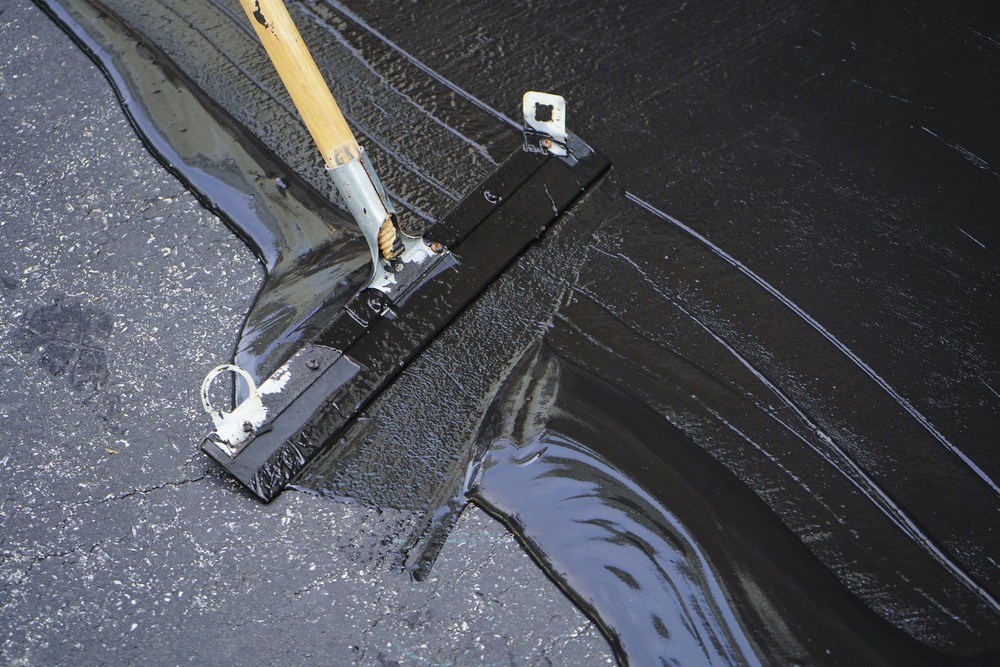
Fall gives Great Falls property owners a limited window to address parking lot damage before colder temperatures, snow, ice, and repeated freezing put more stress on pavement. If your asphalt is faded, cracked, or developing potholes, knowing whether you need repair or sealcoating can help you spend maintenance dollars where they will do the most good.
Quick answer: Asphalt repair fixes existing structural or localized damage such as potholes, broken pavement, deep cracks, and failed areas. Sealcoating is preventive maintenance designed to protect asphalt that is still in generally sound condition. For many parking lots in Great Falls, repairs should come first, followed by sealcoating when the pavement and weather conditions are suitable.
What local property owners should know
-
Sealcoating does not repair potholes, unstable pavement, or severely deteriorated asphalt.
-
Cracks and damaged areas should generally be repaired before a protective coating is applied.
-
Great Falls parking lots face seasonal temperature changes that can allow water to enter pavement openings and contribute to freeze-thaw deterioration.
-
Fall maintenance can help businesses prepare lots before winter weather makes certain asphalt work more difficult.
-
Parking lots serving properties near busy corridors such as 10th Avenue South or areas around downtown may also need maintenance planning that minimizes disruption to customers and employees.
Why Asphalt Maintenance Matters in Great Falls
Asphalt maintenance matters in Great Falls because seasonal temperature changes, moisture, snow, ice, and traffic can gradually turn small pavement defects into larger problems. Once water reaches cracks or weakened areas, cold-weather cycles can increase stress within the pavement and its supporting base.
Great Falls sits in north-central Montana, where property owners are accustomed to substantial seasonal changes. National Weather Service climate records for the area document both warm summer conditions and cold winter weather, creating a demanding environment for exposed pavement.
Parking lots throughout Cascade County also experience different levels of wear depending on traffic volume, drainage, snow removal, and pavement age. A retail lot near 10th Avenue South may develop wear differently from a smaller commercial property near Black Eagle or a light-industrial site closer to Interstate 15.
At J&L’s Maintenance, we look at the actual condition of the pavement before determining whether repair, sealcoating, or a combination of services makes sense.
Asphalt Repair vs. Sealcoating: What Is the Difference?
Asphalt repair corrects damaged pavement, while sealcoating protects pavement that is already in serviceable condition. The two services serve different purposes, which is why applying sealcoat over significant damage is not a substitute for making necessary repairs.
Asphalt repair may involve correcting potholes, deteriorated sections, failed edges, or other localized pavement problems. The goal is to restore damaged areas so they can better handle traffic and weather.
Sealcoating adds a protective surface layer to asphalt. It can refresh the pavement’s appearance while helping protect the existing surface from environmental exposure and normal wear.
Think of repair as fixing what is already wrong and sealcoating as helping protect what is still working.
Local Pavement Conditions We Watch in the Great Falls Area
Local parking lots commonly need attention where cracks, drainage issues, traffic wear, and seasonal weather begin working together. These observations are practical pavement-maintenance considerations rather than a claim that every local parking lot develops the same problems.
Great Falls properties can experience long periods of winter exposure followed by warmer summer conditions. Moisture entering cracks before temperatures fall can contribute to additional deterioration as freezing and thawing occur.
Snowplows can also place stress on uneven surfaces, deteriorated edges, and existing potholes. High-use commercial lots may experience additional wear in driving lanes, loading areas, entrances, and frequently used parking spaces.
Properties around Malmstrom Air Force Base, Black Eagle, downtown Great Falls, the Missouri River corridor, and commercial areas leading toward Great Falls International Airport can all face different traffic and exposure patterns. The right maintenance decision should therefore begin with pavement condition, not simply the age of the lot.
Warning Signs Your Parking Lot Needs Asphalt Repair
Your parking lot likely needs asphalt repair before sealcoating if it has potholes, broken areas, significant cracking, or pavement that is beginning to fail. Covering these problems with sealcoat will not correct the underlying damage.
Watch for these warning signs:
-
Potholes have formed in driving or parking areas.
-
Cracks have widened or spread across multiple sections.
-
Asphalt is breaking apart around the edges.
-
Sections of pavement appear sunken, loose, or unstable.
-
Water repeatedly collects in damaged areas.
-
Previous patches are deteriorating.
-
High-traffic areas show noticeably greater damage than the surrounding pavement.
A few minor surface concerns may call for maintenance rather than extensive repair, but active pavement failure should be addressed first.
Warning Signs Your Parking Lot May Be Ready for Sealcoating
A parking lot may be a good candidate for sealcoating when the asphalt remains structurally sound but the surface is aging, fading, or losing some of its protection. Sealcoating works best as preventive maintenance rather than as a way to hide serious pavement defects.
Common indicators include a noticeably gray or faded surface, minor surface wear, and pavement that remains relatively smooth and stable.
Before sealcoating, cracks and isolated damage should be evaluated and addressed as appropriate. This creates a better maintenance sequence and avoids treating a cosmetic symptom while leaving a more important problem underneath.
When to Call a Professional
Call a pavement professional when you cannot tell whether visible deterioration is limited to the surface or extends into the asphalt and supporting structure. A professional evaluation is especially useful when a Great Falls parking lot contains a mix of cracks, potholes, faded pavement, drainage problems, and previous repairs.
Property managers can safely monitor the lot for new cracks, standing water, loose pavement, and changing potholes. Photographing damaged areas periodically can also help show whether deterioration is spreading.
Professional service becomes more important when damage affects vehicle travel, creates uneven surfaces, continues to expand, or needs to be corrected before seasonal maintenance.
Common Causes of Parking Lot Damage Around Great Falls
The most common parking lot problems in the Great Falls area develop from a combination of moisture, temperature changes, traffic, drainage, and normal pavement aging. Understanding the cause helps determine whether maintenance or actual repair is the better response.
-
Water entering cracks: Open cracks allow moisture to move beneath the surface, where it can contribute to further deterioration.
-
Freeze-thaw conditions: Water within pavement openings can freeze and expand during cold periods, increasing stress on already weakened asphalt.
-
Heavy vehicle traffic: Delivery vehicles, service trucks, and repeated traffic can accelerate wear in entrances, loading zones, and turning areas.
-
Poor drainage: Standing water keeps pavement wet and can expose vulnerable areas to additional moisture.
-
Snow removal: Plowing is necessary during Montana winters, but damaged or uneven asphalt can be more vulnerable to additional wear.
-
Aging pavement: Asphalt naturally changes as it remains exposed to traffic, sunlight, weather, and seasonal temperature swings.
How to Prepare Your Parking Lot for Fall
Preparing a Great Falls parking lot for fall starts with identifying damage early, repairing problem areas, and completing appropriate preventive maintenance before winter conditions arrive. Property owners do not need to wait until potholes become severe to start evaluating the pavement.
Walk the lot and note cracks, loose material, potholes, drainage problems, and deteriorated edges. Pay particular attention to entrances, dumpster areas, delivery routes, and places where vehicles frequently turn or stop.
Keep drainage paths clear so rain and melting snow have somewhere to go. If repair or sealcoating is being considered, schedule an evaluation while conditions are still suitable for the work involved.
DIY monitoring is useful. Structural repair and coating decisions are better based on an assessment of the pavement itself.
What Results Should You Expect?
Asphalt repair should correct specific damaged areas, while sealcoating should provide a more uniform protective surface on pavement that remains in suitable condition. Neither service can stop normal aging permanently, and the condition of the existing asphalt affects what results are realistic.
Repair can help address potholes, failed areas, and localized deterioration before those areas expand further.
Sealcoating can improve surface appearance and provide additional protection, but it does not rebuild damaged pavement or correct problems beneath the asphalt.
For some properties, the best approach is a sequence: repair first, allow the necessary preparation or curing time, then complete appropriate preventive maintenance.
Common Parking Lot Maintenance Mistakes
The biggest maintenance mistake is using sealcoating to cover pavement that actually needs repair. The better approach is to determine what type of deterioration is present before choosing a service.
Mistake: Sealcoating over potholes or badly broken asphalt.
Consequence: The underlying failure remains.
Better approach: Repair damaged pavement first.
Mistake: Ignoring small cracks through another Montana winter.
Consequence: Moisture can enter openings and contribute to additional deterioration.
Better approach: Evaluate cracks before freezing conditions become established.
Mistake: Focusing only on appearance.
Consequence: Darker pavement can look improved while underlying defects remain unresolved.
Better approach: Base maintenance decisions on pavement condition as well as appearance.
A Common Great Falls Parking Lot Scenario
A common Great Falls scenario is a commercial lot that looks faded overall but has several damaged areas near entrances, traffic lanes, or drainage points. In that situation, choosing between repair and sealcoating is not necessarily an either-or decision.
The damaged sections may need repair first. Once those concerns are addressed and the remaining pavement is in suitable condition, sealcoating may become part of the maintenance plan.
This type of staged approach can be especially practical for commercial properties that need to balance pavement care with customer access and daily operations.
Related Parking Lot Service Solutions
The right service solution depends on whether the pavement needs correction, protection, or both. Evaluating each problem separately helps property owners avoid paying for surface treatment where more substantial work is necessary.
We can help property owners assess visible asphalt concerns and determine which maintenance approach fits the lot’s present condition.
Comparing Asphalt Repair and Sealcoating
Choose asphalt repair for existing pavement damage and sealcoating for preventive surface protection on asphalt that remains in good enough condition to preserve.
| Consideration |
Asphalt Repair |
Sealcoating |
| Potholes |
Appropriate |
Does not repair them |
| Failed pavement |
Appropriate |
Not a structural fix |
| Faded surface |
May not be necessary by itself |
Often more relevant |
| Preventive maintenance |
Limited to repaired areas |
Primary purpose |
| Major cracks or deterioration |
Address first |
Apply only after appropriate preparation |
| Fall preparation |
Corrects problem areas |
Helps protect serviceable pavement |
If your lot needs both, repairs generally come first.
Service Areas
We serve property owners in Great Falls and surrounding communities with parking lot maintenance needs. Nearby areas such as Black Eagle, Ulm, Vaughn, Sand Coulee, and other Cascade County communities experience many of the same seasonal pavement concerns.
Service availability for a specific property can be confirmed when scheduling.
What Can Happen If You Ignore Pavement Damage?
Ignoring asphalt damage can allow relatively contained problems to spread into larger areas that require more involved work later. This is particularly relevant before winter because open cracks and deteriorated pavement can remain exposed to moisture, snow, ice, traffic, and freeze-thaw conditions.
For commercial properties, worsening pavement can also affect appearance, driving comfort, snow removal, and how easily vehicles move through the lot.
Addressing visible concerns in fall gives property owners a chance to plan rather than react after another winter.
Frequently Asked Questions
Should I repair or sealcoat my parking lot in Great Falls?
Repair the parking lot first if it has potholes, failed pavement, or significant damage. Sealcoating is better suited to asphalt that remains structurally serviceable and needs preventive surface protection. Some Great Falls properties benefit from both services, completed in the proper sequence.
Can sealcoating fix cracks and potholes?
No, sealcoating is not a substitute for repairing significant cracks, potholes, or failed asphalt. Those problems should be evaluated and treated appropriately before a protective coating is considered. Applying sealcoat over serious damage may improve appearance temporarily without correcting the underlying problem.
Why is fall important for asphalt maintenance in Great Falls?
Fall is important because it is the transition between summer wear and the colder conditions that can stress damaged pavement. Evaluating asphalt before winter allows Great Falls property owners to identify cracks, potholes, and drainage concerns before snow, ice, and repeated freezing complicate those problems.
Does every faded parking lot in Cascade County need sealcoating?
No, faded color alone does not determine whether a Cascade County parking lot needs sealcoating. Pavement condition, existing damage, previous maintenance, drainage, and surface stability should also be considered. A faded but badly damaged lot may need repair before any protective treatment makes sense.
How does winter weather affect asphalt around Great Falls?
Winter weather can place additional stress on asphalt when moisture enters existing cracks or damaged areas and temperatures move above and below freezing. Snow removal and vehicle traffic can add further wear. Keeping pavement in better condition before winter can reduce vulnerable areas where deterioration may continue.
Should potholes be repaired before winter?
Potholes should generally be evaluated and repaired rather than intentionally left through another winter. They can collect water, expose weakened pavement, and become more troublesome for vehicles and snow removal. The appropriate repair method depends on the pothole and the surrounding pavement condition.
Can businesses stay open during parking lot maintenance?
Often, parking lot work can be planned to reduce disruption, depending on the service, lot layout, and project conditions. Great Falls businesses may be able to phase work or temporarily redirect traffic. Scheduling needs should be discussed before service so access requirements can be considered.
How do I know whether my lot needs both repair and sealcoating?
Your lot may need both when isolated areas are damaged but much of the remaining asphalt is still suitable for preventive maintenance. Repairs address the failed sections first. Sealcoating may then be appropriate for the prepared pavement, depending on its condition and suitable application conditions.
Protect Your Parking Lot Before Another Great Falls Winter
A well-timed pavement plan can help you correct existing damage instead of simply covering it and protect asphalt that still has useful service life ahead. We can help you determine whether repair, sealcoating, or a combination of services makes the most sense for your Great Falls property.
Get Your Great Falls Parking Lot Ready for Fall
Get a clearer picture of what your pavement needs before winter weather puts additional stress on damaged areas.
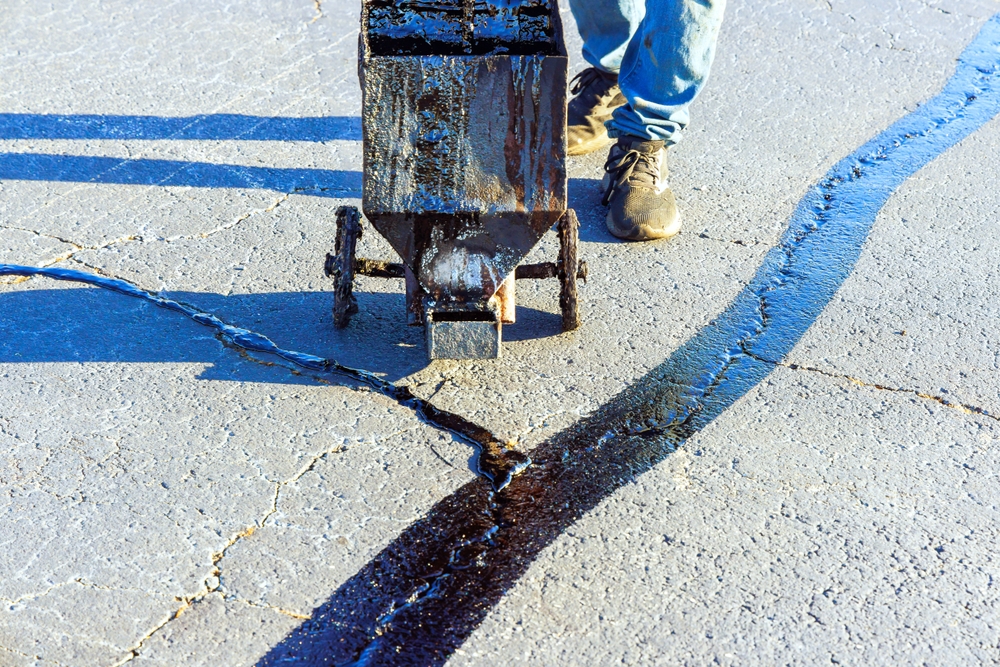
Winter is one of the toughest tests any commercial parking lot or roadway will face in Montana. In Great Falls, repeated freeze thaw cycles, heavy snowfall, ice, and snowplow traffic can quickly turn small pavement defects into costly repairs. Staying ahead of those problems with commercial asphalt patching helps businesses protect their property, reduce liability, and avoid larger expenses when spring arrives.
Quick Answer
Commercial asphalt patching is one of the most effective ways to protect pavement from Great Falls winters because it seals damaged areas before moisture can freeze, expand, and create larger failures. Addressing potholes, cracks, and deteriorating asphalt before cold weather arrives helps commercial property owners extend pavement life, improve safety, and reduce long term maintenance costs.
What Local Property Owners Should Know
-
Freeze thaw cycles in Great Falls allow water to penetrate damaged pavement and expand as temperatures fluctuate.
-
Snowplows and heavy commercial traffic can accelerate deterioration around existing potholes and weak pavement.
-
Businesses near Central Avenue, 10th Avenue South, and busy commercial corridors often experience higher pavement wear due to increased vehicle volume.
-
Timely asphalt patching helps reduce trip hazards for customers and employees during icy winter conditions.
-
Preventative maintenance is typically more affordable than replacing large sections of deteriorated asphalt.
Why This Matters Locally
Commercial properties throughout Great Falls experience a unique combination of winter weather challenges. Snow accumulation, melting during warmer afternoons, and overnight freezing create repeated stress on asphalt surfaces. Areas throughout Cascade County regularly see pavement exposed to moisture for extended periods, increasing the likelihood of cracks growing into potholes.
For shopping centers, office complexes, industrial facilities, apartment communities, and healthcare campuses, damaged pavement creates more than an appearance issue. Uneven surfaces can increase liability risks, make snow removal more difficult, and contribute to faster structural deterioration.
J&L’s Maintenance helps commercial property owners stay ahead of these seasonal challenges through professional asphalt maintenance solutions. We understand how Montana winters affect pavement and focus on proactive repairs that help extend the life of commercial surfaces.
Local Field Observations
Based on our experience serving commercial properties in the Great Falls area, the majority of serious pavement failures begin as relatively minor defects that were left untreated before winter. Small cracks allow moisture beneath the surface where freezing temperatures cause expansion. By spring, what started as a simple repair often requires much larger patching or replacement.
Local Impact
Commercial pavement problems affect more than appearance.
Businesses throughout Great Falls depend on safe, accessible parking lots for customers, delivery drivers, and employees. Winter pavement damage can lead to:
-
Reduced customer confidence
-
Increased slip and trip hazards
-
Difficult snow removal operations
-
Standing water during spring melt
-
Accelerated pavement deterioration
-
Higher long term repair costs
Facilities near Malmstrom Air Force Base, industrial areas, and major retail corridors often experience additional wear due to heavier vehicle traffic.
Warning Signs Your Commercial Asphalt Needs Patching
Commercial asphalt often provides warning signs before major failure occurs. Watch for:
-
Small potholes beginning to form
-
Loose or crumbling asphalt
-
Areas where water consistently pools
-
Cracks that continue growing each season
-
Surface depressions from heavy vehicles
-
Broken pavement edges
-
Sections where aggregate becomes exposed
Addressing these issues early is significantly easier than waiting until winter damage spreads.
When to Call a Professional
Commercial property managers can monitor pavement throughout the year, but repairs should generally be completed before winter temperatures consistently remain below freezing.
Professional evaluation is recommended if you notice:
-
Potholes larger than several inches
-
Multiple connected cracks
-
Surface crumbling
-
Areas holding standing water
-
Damage affecting traffic lanes or pedestrian routes
Early intervention is especially valuable before the first major snowfalls arrive.
Common Local Causes of Asphalt Damage
Several factors contribute to pavement deterioration around Great Falls.
1. Freeze Thaw Cycles
Water enters existing cracks, freezes overnight, expands, and widens pavement defects.
2. Snow Removal Equipment
Snowplows can catch weakened pavement edges, enlarging existing damage.
3. Heavy Commercial Traffic
Delivery trucks, service vehicles, and constant traffic place additional stress on aging asphalt.
4. Moisture Infiltration
Melting snow repeatedly saturates damaged pavement throughout winter and early spring.
5. Aging Asphalt
Older commercial parking lots gradually lose flexibility, making them more vulnerable to cracking during Montana winters.
Prevention and Maintenance
Preventative maintenance remains the best investment for commercial pavement.
Property owners should consider:
-
Inspecting parking lots each fall
-
Repairing cracks before freezing weather
-
Scheduling asphalt patching before winter
-
Keeping drainage systems clear
-
Removing standing water whenever possible
-
Performing spring inspections after snow melt
Routine inspections can identify small issues before they become major repairs.
Expected Results
Professional commercial asphalt patching can:
-
Restore safe driving surfaces
-
Reduce water infiltration
-
Slow pavement deterioration
-
Improve parking lot appearance
-
Extend pavement service life
-
Prepare surfaces for future maintenance such as sealcoating
The exact lifespan depends on traffic volume, weather exposure, and the overall condition of the pavement.
Common Mistakes
Waiting Until Spring
Small winter cracks often become much larger after repeated freeze thaw cycles.
Better approach: Schedule repairs before winter whenever practical.
Ignoring Drainage Issues
Standing water accelerates pavement deterioration.
Better approach: Correct drainage concerns alongside pavement repairs.
Filling Every Problem Yourself
Temporary products may provide short term improvement but rarely address deeper commercial pavement failures.
Better approach: Have deteriorating commercial pavement professionally evaluated.
Common Local Scenario
A common situation involves a commercial parking lot that develops several small potholes during late summer. Because traffic continues without repairs, autumn rain allows water beneath the asphalt. After multiple freezing cycles during winter, those isolated potholes connect into larger damaged sections requiring significantly more extensive repairs by spring.
Related Service Solutions
Commercial asphalt patching often works best alongside other pavement maintenance services, including:
-
Crack sealing
-
Parking lot maintenance
-
Asphalt sealcoating
-
Line striping after repairs
-
Preventative pavement inspections
-
Ongoing commercial property maintenance
Comparing Your Options
| Option |
Advantages |
Limitations |
| DIY Cold Patch |
Quick temporary repair |
Limited durability for commercial traffic |
| Professional Asphalt Patching |
Longer lasting repair with proper materials and installation |
Requires professional scheduling |
| Full Pavement Replacement |
Completely renews damaged areas |
Higher initial investment |
For many commercial properties, professional patching provides an effective balance between cost and long term performance.
Service Areas
We proudly help commercial property owners throughout Great Falls and surrounding areas across Cascade County. Whether your property serves retail customers, industrial operations, office tenants, or multifamily residents, we provide pavement maintenance solutions designed for local conditions.
Cost of Ignoring the Issue
Delaying asphalt repairs often allows moisture to reach deeper pavement layers. As damage spreads through additional freeze thaw cycles, repairs become larger, more disruptive, and more expensive. Addressing problems early helps minimize downtime while protecting your investment.
Frequently Asked Questions
Why is commercial asphalt patching especially important in Great Falls?
Commercial asphalt patching is especially important because Great Falls experiences repeated freeze thaw cycles that allow moisture to expand inside damaged pavement. Repairing weak areas before winter helps slow further deterioration.
How often should commercial parking lots in Cascade County be inspected?
Commercial parking lots should generally be inspected at least twice each year, especially before winter and after spring snow melt. Additional inspections are beneficial for high traffic properties.
Can asphalt patching be completed during winter?
Some emergency repairs can be performed during colder months using temporary methods. However, permanent repairs are generally most effective when completed under suitable weather conditions.
Will patching eliminate every pavement problem?
Patching repairs localized damage but cannot correct widespread structural failures throughout an entire parking lot. A professional evaluation determines the most appropriate solution.
What types of businesses benefit from commercial asphalt patching in Great Falls?
Retail centers, office buildings, warehouses, healthcare facilities, apartment communities, schools, and industrial properties can all benefit from proactive pavement maintenance.
How can businesses prepare parking lots before winter?
Businesses should inspect pavement for cracks, repair damaged areas, clear drainage systems, and address potholes before freezing temperatures become consistent.
Does snow removal damage asphalt?
Snow removal equipment can contribute to pavement wear when surfaces are already weakened. Maintaining pavement before winter helps reduce this risk.
When is the best time to schedule commercial asphalt patching?
Late summer and fall are often ideal times because repairs can be completed before winter weather increases pavement stress.
Protect Your Commercial Property Before Winter Arrives
Montana winters place enormous stress on commercial pavement, but proactive maintenance helps reduce costly damage and keeps your property safer throughout the season. By repairing problems early, commercial property owners can better protect their investment while extending the life of their asphalt.
Keep Your Parking Lot Ready for Every Season
Our team provides dependable commercial asphalt maintenance designed for the conditions businesses face throughout Great Falls and Cascade County.
Asphalt is one of the most reliable and versatile paving materials you can invest in, whether it’s for a residential driveway or a sprawling commercial parking lot. It looks great, holds up under pressure, and adds value to your property when properly maintained. But here’s something many people don’t realize: the approach to caring for asphalt surfaces varies significantly depending on where and how it’s used.
At J&L’s Maintenance, we’ve spent years perfecting the art of asphalt care across Montana. From private driveways to retail centers, schools, and industrial facilities, we understand that every surface faces different challenges and demands. The way you maintain a home driveway simply isn’t the same as how you maintain a busy commercial lot.
In this post, we’ll break down the key differences between residential asphalt maintenance and commercial parking lot maintenance in Montana, and explain how we tailor our services to ensure your pavement lasts longer, looks better, and stays safer, no matter where it is.
Understanding Asphalt in Montana’s Climate
Before diving into the differences, it helps to understand what makes asphalt care unique in Montana. Between scorching summer sun, cold winters, and heavy snow, local weather puts intense stress on paved surfaces.
-
Freeze-thaw cycles: Water seeps into small cracks, freezes, expands, and breaks down the surface.
-
Snow removal impact: Plows, salt, and de-icing chemicals wear down the top layer.
-
UV exposure: Constant sun exposure oxidizes asphalt, causing it to dry out and crack.
-
Heavy loads: Trucks, RVs, and large equipment can compress or rut softer pavement.
Because of these conditions, asphalt care in Great Falls, MT, requires more than just routine sweeping or sealing. It demands a proactive, customized plan based on the type of property and how it’s used.
Residential Asphalt Maintenance
Your home driveway is more than a place to park: it’s part of your property’s first impression. A smooth, clean surface enhances curb appeal, improves drainage, and prevents damage to vehicles and foundations.
How Residential Asphalt Is Built
Residential driveways are designed for lighter loads. The base and asphalt layers are thinner than what you’d find in a commercial lot because they only need to handle personal vehicles. This makes them more vulnerable to cracking and softening under heavy weight or extreme temperatures.
Common Residential Asphalt Challenges
-
Cracking and small potholes: Caused by water infiltration or ground movement.
-
Oil and chemical stains: From leaky vehicles or lawn equipment.
-
Edge deterioration: Happens when the driveway doesn’t have proper side support.
-
Surface fading: UV damage causes asphalt to lose its deep black color.
Key Maintenance Strategies for Homeowners
To keep your driveway in top shape, residential asphalt maintenance should include the following:
-
Sealcoating every 2 to 3 years: This creates a protective barrier against water, UV rays, and oil stains.
-
Crack filling: Sealing cracks early prevents moisture from penetrating and causing larger damage.
-
Pothole repair: Prompt patching helps avoid deeper structural problems.
-
Regular cleaning: Removing debris and oil keeps your driveway looking fresh and prevents long-term staining.
Homeowners can also extend the life of their asphalt by avoiding parking heavy equipment or trailers on the surface for long periods, especially during hot summer months.
At J&L’s Maintenance, we work with homeowners throughout Great Falls and surrounding areas to provide affordable, long-lasting driveway solutions tailored to Montana’s climate.
Commercial Parking Lot Maintenance in Montana
Commercial asphalt faces a completely different kind of wear and tear. Between constant vehicle traffic, heavy delivery trucks, and exposure to the elements, these lots require a more durable design and a more aggressive maintenance routine.
How Commercial Asphalt Is Built
Commercial lots are constructed with thicker base layers and stronger asphalt mixes to support heavy loads. They’re also larger in scale, meaning water drainage, striping, and accessibility compliance play a bigger role in maintenance.
Common Commercial Asphalt Challenges
-
High traffic volume: Causes rutting, surface wear, and fading.
-
Heavy vehicle stress: Delivery trucks and equipment can cause cracking and structural fatigue.
-
Drainage issues: Standing water accelerates deterioration and creates safety hazards.
-
Aesthetic and safety concerns: Faded striping or potholes can frustrate customers and violate ADA standards.
Key Maintenance Strategies for Businesses
When it comes to commercial parking lot maintenance in Montana, prevention is everything. A small issue can quickly turn into a costly repair if not addressed promptly.
Effective maintenance includes:
-
Sealcoating every 2 years: Protects against oxidation and weather damage while keeping the surface dark and professional-looking.
-
Crack sealing: Prevents small cracks from spreading and preserves the integrity of the base.
-
Pothole and patch repairs: Ensures smooth, safe traffic flow and reduces liability.
-
Re-striping: Maintains clear parking lines, accessible spaces, and directional markings for safety and compliance.
-
Drainage evaluation: Keeps water from pooling and damaging the surface or foundation.
Our team at J&L’s Maintenance specializes in maintaining large commercial properties throughout Montana. Whether it’s a retail center, medical facility, or apartment complex, we help property owners protect their investment and maintain a positive, professional image.
Comparing Residential vs. Commercial Asphalt Care
While both types of surfaces benefit from regular care, there are some clear distinctions between the two.
| Aspect |
Residential Driveway |
Commercial Parking Lot |
| Traffic Load |
Light, occasional |
Heavy, continuous |
| Surface Design |
Thinner base and asphalt layer |
Thicker base and reinforced asphalt |
| Primary Concerns |
Cracks, UV fading, oil stains |
Rutting, drainage, striping, potholes |
| Maintenance Frequency |
Every 2–3 years |
Every 1–2 years |
| Aesthetic Goals |
Curb appeal and smoothness |
Professional look and safety compliance |
While driveways focus more on appearance and comfort, commercial lots emphasize functionality and safety. That’s why partnering with an experienced maintenance provider makes such a difference.
The J&L’s Maintenance Difference
As a locally owned company providing asphalt care in Great Falls, MT, we take pride in offering services that are both practical and personal. We understand the challenges that Montana’s weather and terrain create for property owners, and we’re committed to providing long-term solutions that work.
Here’s what sets us apart:
1. Nearly Two Decades of Expertise
Our team has years of hands-on experience with both residential and commercial projects across the state. We know what materials perform best in local conditions and how to keep asphalt surfaces strong through every season.
2. Tailored Maintenance Plans
No two properties are the same. We develop maintenance schedules based on traffic levels, age of pavement, and environmental conditions, ensuring the best results for every client.
3. Full-Service Capabilities
From residential asphalt maintenance to large-scale commercial parking lot maintenance in Montana, we handle it all. Our services include sealcoating, crack filling, line striping, pothole repair, and complete resurfacing.
4. Professional and Reliable Team
We take pride in our reputation for reliability and craftsmanship. Every project is completed with attention to detail, quality materials, and a commitment to customer satisfaction.
5. Local Dedication
As members of the Great Falls community, we value our relationships with homeowners, HOAs, and business owners throughout the region. Our goal is to keep Montana’s roads, lots, and driveways safe, attractive, and durable.
How to Know When It’s Time for Maintenance
Whether you own a home or manage a business property, these signs indicate it’s time to call in the experts:
-
Visible cracks or potholes forming.
-
Faded color or surface oxidation.
-
Standing water after rain or snow melt.
-
Rough, uneven areas or crumbling edges.
-
Deteriorated striping or unclear parking markings.
If you notice any of these issues, don’t wait for them to worsen. Preventive care costs far less than full reconstruction. Our experienced team can assess your pavement and recommend the right solution for your budget and property type.
Protect Your Investment with Local Expertise
Montana’s changing seasons can be tough on pavement, but with regular upkeep and expert help, your asphalt can last for decades. Whether you’re scheduling residential asphalt maintenance for your driveway or coordinating commercial parking lot maintenance in Montana, the key is consistency and professional service.
At J&L’s Maintenance, we take pride in providing dependable asphalt care in Great Falls, MT, that keeps properties safe, attractive, and functional year-round. From single-family homes to large commercial complexes, we’ve got the tools, knowledge, and dedication to get the job done right.
Contact us today to schedule an inspection or request a quote. Let’s work together to preserve your pavement, protect your investment, and keep your property looking its best — no matter the season.
[Add “Schedule a Consultation Today!” button that leads to Contact Us page]
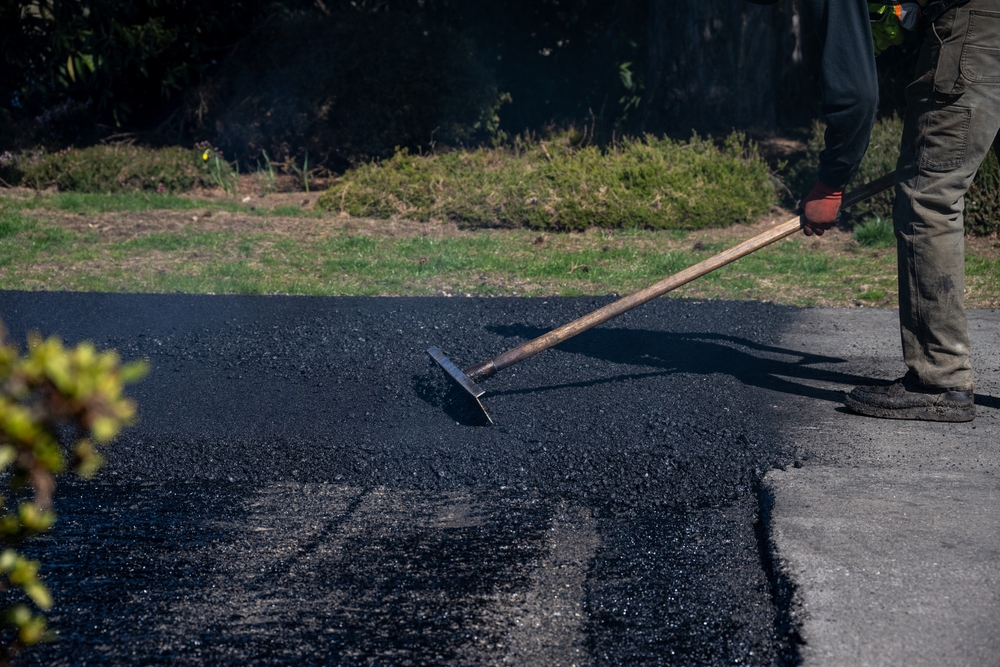
When fall arrives in Montana, it’s not just the leaves that change. The transition to colder weather also brings freeze-thaw cycles, heavy moisture, and early frost that can wreak havoc on your asphalt surfaces. Homeowners and business owners in cities like Great Falls, Billings, and Helena understand that asphalt maintenance in Montana is not something to postpone. A little preparation now can save you from costly repairs come spring.
Taking the right steps in the fall to protect your driveway ensures it stands strong through the harsh winter months. From driveway sealing in Great Falls to crack repair and proper drainage management, here’s how to get your asphalt ready before the snow flies.
Understanding Montana’s Harsh Impact on Asphalt
Montana’s climate is uniquely challenging for asphalt surfaces. The state experiences wide temperature swings between day and night, heavy snow accumulation, and prolonged freeze-thaw cycles. When water seeps into cracks and freezes, it expands, causing small imperfections to grow into major structural damage.
During fall, fluctuating temperatures make this process even more unpredictable. Daytime warmth may thaw water that refreezes at night, leading to continual stress on your pavement. Without pre-winter asphalt prep, even a newly paved surface can start to deteriorate faster than expected.
This is why local experts stress the importance of fall maintenance. The window between the end of summer’s heat and the onset of early snow is the best time to inspect, repair, and seal your asphalt.
Inspecting and Cleaning: The First Step to Protection
Before you dive into more intensive maintenance tasks, begin with a thorough inspection. Walk your driveway and look for visible cracks, faded sealant, oil stains, and areas of poor drainage. These early warning signs can reveal much about your pavement’s condition and help you decide what repairs are necessary.
Cleaning is equally critical. Remove debris such as leaves, dirt, and gravel that can trap moisture. A power washer or a stiff broom works well to remove surface grime and buildup. For oil stains, use a degreaser specifically formulated for asphalt surfaces. Oil and chemicals break down asphalt binders, making it more vulnerable to cracking and crumbling when winter hits.
Once clean, you’ll have a better view of the problem areas that need to be addressed. Many homeowners in Great Falls and surrounding communities choose to schedule professional driveway sealing in Great Falls after cleaning, ensuring their pavement is fully protected from moisture infiltration and cold weather damage.
Repairing Cracks and Potholes Before They Worsen
One of the most important steps in asphalt maintenance in Montana is repairing cracks before they turn into major issues. Cracks, even small ones, act like open doors for water and debris. When temperatures drop, that trapped moisture expands and deepens the damage.
Using a high-quality crack filler or cold-pour sealant can make a significant difference. For smaller cracks, a liquid filler works effectively, while larger gaps or potholes may require patching compounds or professional repair. Ignoring these flaws before winter is a costly mistake, as even a single freeze-thaw cycle can magnify the damage exponentially.
If you notice soft or crumbling areas, that could signal underlying base issues. In such cases, a local paving contractor can assess whether partial resurfacing is needed. Addressing these problems now prevents expensive reconstruction work in the spring.
The Importance of Driveway Sealing in Great Falls
Once cracks and damage are repaired, driveway sealing in Great Falls becomes your best line of defense. Sealcoating is more than just an aesthetic upgrade; it’s a protective barrier against Montana’s moisture, UV rays, and snowmelt chemicals. A fresh sealcoat shields your driveway from oxidation, slows deterioration, and enhances the pavement’s flexibility during temperature changes.
The fall season is ideal for sealcoating because the weather is mild enough for the sealant to cure properly. Temperatures between 50°F and 85°F are optimal, and low humidity ensures that the coating adheres effectively.
Professionals use industrial-grade sealants that fill microcracks and form a tight surface layer. For homeowners in Great Falls and the surrounding regions, this treatment not only enhances curb appeal but also extends the lifespan of the driveway by several years.
Sealcoating should typically be done every two to three years, depending on traffic volume and exposure. It’s a cost-effective preventive measure that offers long-term benefits, especially in Montana’s unpredictable weather patterns.
Additional Pre-Winter Asphalt Prep Tips
Beyond cleaning, repairs, and sealing, pre-winter asphalt prep involves taking a few extra steps to ensure your pavement holds up through the coldest months. One often-overlooked factor is drainage. Poor drainage allows water to pool and freeze, leading to significant cracking and pothole formation. Check that your driveway slopes slightly away from structures and that no standing water remains after rainfall.
If you have decorative features like edging or landscaping near your asphalt, make sure they don’t block water flow or create ice buildup zones. Trimming overhanging branches also helps prevent excess shade, which can delay snowmelt and increase ice formation.
You should also prepare for snow removal. Keep snow shovels and plows in good condition, and use rubber-tipped or plastic blades instead of metal ones that can scrape the surface. Avoid using rock salt or harsh de-icers, as these can degrade the asphalt binder. Instead, opt for calcium magnesium acetate or sand, which are gentler alternatives.
Lastly, mark the edges of your driveway with reflective stakes or poles before the first snowfall. This prevents accidental damage during plowing and helps you maintain clear boundaries when snow depth makes visibility difficult.
Conclusion
Montana’s winters are no joke, and your driveway is one of the first places to feel the impact. Proper asphalt maintenance in Montana during the fall sets the stage for a durable, resilient surface that can withstand months of freezing temperatures, snow, and ice. By taking time for pre-winter asphalt prep, including cleaning, crack repair, and driveway sealing in Great Falls, you’re not just preserving your driveway’s appearance; you’re protecting your investment for years to come.
When done right, fall asphalt maintenance doesn’t just prepare your pavement for winter; it strengthens it against future wear and tear. Don’t wait until the first frost to act. Schedule your fall inspection and sealing now, and enjoy peace of mind knowing your driveway is ready for whatever Montana’s winter brings.
Need Asphalt Maintenance & Repair Services Near You?
Here at J&L’s Maintenance, we’re a family-owned business with over 30 years of experience proudly serving the State of Montana. Whether you need parking lot maintenance, snow plowing, or asphalt repair, we’ve got you covered with reliable and professional services. We offer free estimates and stand by the quality of our work, ensuring your project is in the best hands. Don’t hesitate—reach out to us today! We look forward to assisting you with all your asphalt needs.