
Fall gives Great Falls property owners a limited window to address parking lot damage before colder temperatures, snow, ice, and repeated freezing put more stress on pavement. If your asphalt is faded, cracked, or developing potholes, knowing whether you need repair or sealcoating can help you spend maintenance dollars where they will do the most good.
Quick answer: Asphalt repair fixes existing structural or localized damage such as potholes, broken pavement, deep cracks, and failed areas. Sealcoating is preventive maintenance designed to protect asphalt that is still in generally sound condition. For many parking lots in Great Falls, repairs should come first, followed by sealcoating when the pavement and weather conditions are suitable.
What local property owners should know
-
Sealcoating does not repair potholes, unstable pavement, or severely deteriorated asphalt.
-
Cracks and damaged areas should generally be repaired before a protective coating is applied.
-
Great Falls parking lots face seasonal temperature changes that can allow water to enter pavement openings and contribute to freeze-thaw deterioration.
-
Fall maintenance can help businesses prepare lots before winter weather makes certain asphalt work more difficult.
-
Parking lots serving properties near busy corridors such as 10th Avenue South or areas around downtown may also need maintenance planning that minimizes disruption to customers and employees.
Why Asphalt Maintenance Matters in Great Falls
Asphalt maintenance matters in Great Falls because seasonal temperature changes, moisture, snow, ice, and traffic can gradually turn small pavement defects into larger problems. Once water reaches cracks or weakened areas, cold-weather cycles can increase stress within the pavement and its supporting base.
Great Falls sits in north-central Montana, where property owners are accustomed to substantial seasonal changes. National Weather Service climate records for the area document both warm summer conditions and cold winter weather, creating a demanding environment for exposed pavement.
Parking lots throughout Cascade County also experience different levels of wear depending on traffic volume, drainage, snow removal, and pavement age. A retail lot near 10th Avenue South may develop wear differently from a smaller commercial property near Black Eagle or a light-industrial site closer to Interstate 15.
At J&L’s Maintenance, we look at the actual condition of the pavement before determining whether repair, sealcoating, or a combination of services makes sense.
Asphalt Repair vs. Sealcoating: What Is the Difference?
Asphalt repair corrects damaged pavement, while sealcoating protects pavement that is already in serviceable condition. The two services serve different purposes, which is why applying sealcoat over significant damage is not a substitute for making necessary repairs.
Asphalt repair may involve correcting potholes, deteriorated sections, failed edges, or other localized pavement problems. The goal is to restore damaged areas so they can better handle traffic and weather.
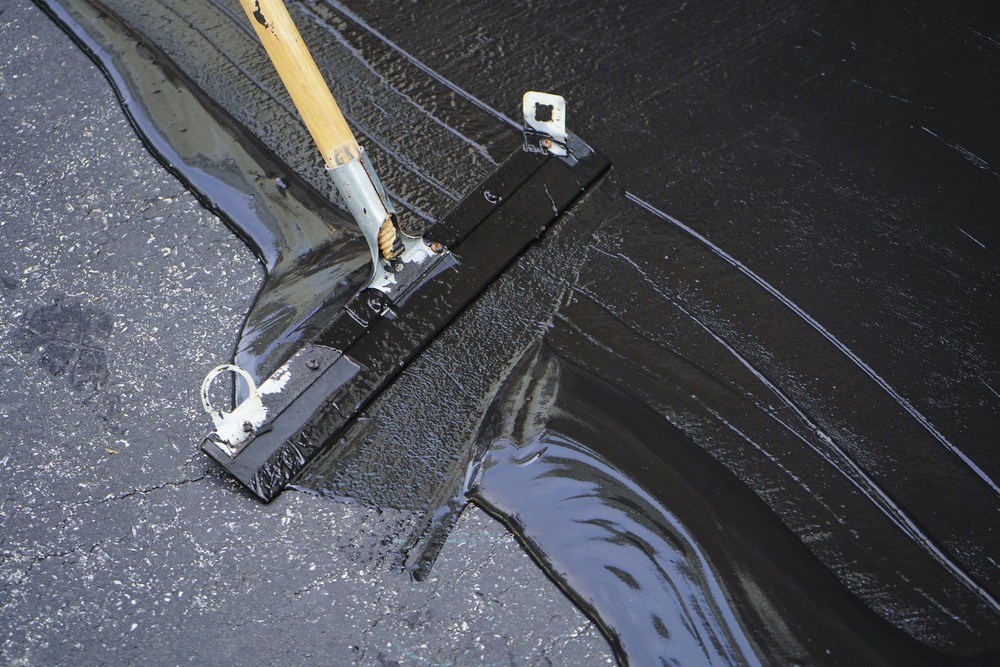
Sealcoating adds a protective surface layer to asphalt. It can refresh the pavement’s appearance while helping protect the existing surface from environmental exposure and normal wear.
Think of repair as fixing what is already wrong and sealcoating as helping protect what is still working.
Local Pavement Conditions We Watch in the Great Falls Area
Local parking lots commonly need attention where cracks, drainage issues, traffic wear, and seasonal weather begin working together. These observations are practical pavement-maintenance considerations rather than a claim that every local parking lot develops the same problems.
Great Falls properties can experience long periods of winter exposure followed by warmer summer conditions. Moisture entering cracks before temperatures fall can contribute to additional deterioration as freezing and thawing occur.
Snowplows can also place stress on uneven surfaces, deteriorated edges, and existing potholes. High-use commercial lots may experience additional wear in driving lanes, loading areas, entrances, and frequently used parking spaces.
Properties around Malmstrom Air Force Base, Black Eagle, downtown Great Falls, the Missouri River corridor, and commercial areas leading toward Great Falls International Airport can all face different traffic and exposure patterns. The right maintenance decision should therefore begin with pavement condition, not simply the age of the lot.
Warning Signs Your Parking Lot Needs Asphalt Repair
Your parking lot likely needs asphalt repair before sealcoating if it has potholes, broken areas, significant cracking, or pavement that is beginning to fail. Covering these problems with sealcoat will not correct the underlying damage.
Watch for these warning signs:
-
Potholes have formed in driving or parking areas.
-
Cracks have widened or spread across multiple sections.
-
Asphalt is breaking apart around the edges.
-
Sections of pavement appear sunken, loose, or unstable.
-
Water repeatedly collects in damaged areas.
-
Previous patches are deteriorating.
-
High-traffic areas show noticeably greater damage than the surrounding pavement.
A few minor surface concerns may call for maintenance rather than extensive repair, but active pavement failure should be addressed first.
Warning Signs Your Parking Lot May Be Ready for Sealcoating
A parking lot may be a good candidate for sealcoating when the asphalt remains structurally sound but the surface is aging, fading, or losing some of its protection. Sealcoating works best as preventive maintenance rather than as a way to hide serious pavement defects.
Common indicators include a noticeably gray or faded surface, minor surface wear, and pavement that remains relatively smooth and stable.
Before sealcoating, cracks and isolated damage should be evaluated and addressed as appropriate. This creates a better maintenance sequence and avoids treating a cosmetic symptom while leaving a more important problem underneath.
When to Call a Professional
Call a pavement professional when you cannot tell whether visible deterioration is limited to the surface or extends into the asphalt and supporting structure. A professional evaluation is especially useful when a Great Falls parking lot contains a mix of cracks, potholes, faded pavement, drainage problems, and previous repairs.
Property managers can safely monitor the lot for new cracks, standing water, loose pavement, and changing potholes. Photographing damaged areas periodically can also help show whether deterioration is spreading.
Professional service becomes more important when damage affects vehicle travel, creates uneven surfaces, continues to expand, or needs to be corrected before seasonal maintenance.
Common Causes of Parking Lot Damage Around Great Falls
The most common parking lot problems in the Great Falls area develop from a combination of moisture, temperature changes, traffic, drainage, and normal pavement aging. Understanding the cause helps determine whether maintenance or actual repair is the better response.
-
Water entering cracks: Open cracks allow moisture to move beneath the surface, where it can contribute to further deterioration.
-
Freeze-thaw conditions: Water within pavement openings can freeze and expand during cold periods, increasing stress on already weakened asphalt.
-
Heavy vehicle traffic: Delivery vehicles, service trucks, and repeated traffic can accelerate wear in entrances, loading zones, and turning areas.
-
Poor drainage: Standing water keeps pavement wet and can expose vulnerable areas to additional moisture.
-
Snow removal: Plowing is necessary during Montana winters, but damaged or uneven asphalt can be more vulnerable to additional wear.
-
Aging pavement: Asphalt naturally changes as it remains exposed to traffic, sunlight, weather, and seasonal temperature swings.
How to Prepare Your Parking Lot for Fall
Preparing a Great Falls parking lot for fall starts with identifying damage early, repairing problem areas, and completing appropriate preventive maintenance before winter conditions arrive. Property owners do not need to wait until potholes become severe to start evaluating the pavement.
Walk the lot and note cracks, loose material, potholes, drainage problems, and deteriorated edges. Pay particular attention to entrances, dumpster areas, delivery routes, and places where vehicles frequently turn or stop.
Keep drainage paths clear so rain and melting snow have somewhere to go. If repair or sealcoating is being considered, schedule an evaluation while conditions are still suitable for the work involved.
DIY monitoring is useful. Structural repair and coating decisions are better based on an assessment of the pavement itself.
What Results Should You Expect?
Asphalt repair should correct specific damaged areas, while sealcoating should provide a more uniform protective surface on pavement that remains in suitable condition. Neither service can stop normal aging permanently, and the condition of the existing asphalt affects what results are realistic.
Repair can help address potholes, failed areas, and localized deterioration before those areas expand further.
Sealcoating can improve surface appearance and provide additional protection, but it does not rebuild damaged pavement or correct problems beneath the asphalt.
For some properties, the best approach is a sequence: repair first, allow the necessary preparation or curing time, then complete appropriate preventive maintenance.
Common Parking Lot Maintenance Mistakes
The biggest maintenance mistake is using sealcoating to cover pavement that actually needs repair. The better approach is to determine what type of deterioration is present before choosing a service.
Mistake: Sealcoating over potholes or badly broken asphalt.
Consequence: The underlying failure remains.
Better approach: Repair damaged pavement first.
Mistake: Ignoring small cracks through another Montana winter.
Consequence: Moisture can enter openings and contribute to additional deterioration.
Better approach: Evaluate cracks before freezing conditions become established.
Mistake: Focusing only on appearance.
Consequence: Darker pavement can look improved while underlying defects remain unresolved.
Better approach: Base maintenance decisions on pavement condition as well as appearance.
A Common Great Falls Parking Lot Scenario
A common Great Falls scenario is a commercial lot that looks faded overall but has several damaged areas near entrances, traffic lanes, or drainage points. In that situation, choosing between repair and sealcoating is not necessarily an either-or decision.
The damaged sections may need repair first. Once those concerns are addressed and the remaining pavement is in suitable condition, sealcoating may become part of the maintenance plan.
This type of staged approach can be especially practical for commercial properties that need to balance pavement care with customer access and daily operations.
Related Parking Lot Service Solutions
The right service solution depends on whether the pavement needs correction, protection, or both. Evaluating each problem separately helps property owners avoid paying for surface treatment where more substantial work is necessary.
We can help property owners assess visible asphalt concerns and determine which maintenance approach fits the lot’s present condition.
Comparing Asphalt Repair and Sealcoating
Choose asphalt repair for existing pavement damage and sealcoating for preventive surface protection on asphalt that remains in good enough condition to preserve.
| Consideration | Asphalt Repair | Sealcoating |
|---|---|---|
| Potholes | Appropriate | Does not repair them |
| Failed pavement | Appropriate | Not a structural fix |
| Faded surface | May not be necessary by itself | Often more relevant |
| Preventive maintenance | Limited to repaired areas | Primary purpose |
| Major cracks or deterioration | Address first | Apply only after appropriate preparation |
| Fall preparation | Corrects problem areas | Helps protect serviceable pavement |
If your lot needs both, repairs generally come first.
Service Areas
We serve property owners in Great Falls and surrounding communities with parking lot maintenance needs. Nearby areas such as Black Eagle, Ulm, Vaughn, Sand Coulee, and other Cascade County communities experience many of the same seasonal pavement concerns.
Service availability for a specific property can be confirmed when scheduling.
What Can Happen If You Ignore Pavement Damage?
Ignoring asphalt damage can allow relatively contained problems to spread into larger areas that require more involved work later. This is particularly relevant before winter because open cracks and deteriorated pavement can remain exposed to moisture, snow, ice, traffic, and freeze-thaw conditions.
For commercial properties, worsening pavement can also affect appearance, driving comfort, snow removal, and how easily vehicles move through the lot.
Addressing visible concerns in fall gives property owners a chance to plan rather than react after another winter.
Frequently Asked Questions
Should I repair or sealcoat my parking lot in Great Falls?
Repair the parking lot first if it has potholes, failed pavement, or significant damage. Sealcoating is better suited to asphalt that remains structurally serviceable and needs preventive surface protection. Some Great Falls properties benefit from both services, completed in the proper sequence.
Can sealcoating fix cracks and potholes?
No, sealcoating is not a substitute for repairing significant cracks, potholes, or failed asphalt. Those problems should be evaluated and treated appropriately before a protective coating is considered. Applying sealcoat over serious damage may improve appearance temporarily without correcting the underlying problem.
Why is fall important for asphalt maintenance in Great Falls?
Fall is important because it is the transition between summer wear and the colder conditions that can stress damaged pavement. Evaluating asphalt before winter allows Great Falls property owners to identify cracks, potholes, and drainage concerns before snow, ice, and repeated freezing complicate those problems.
Does every faded parking lot in Cascade County need sealcoating?
No, faded color alone does not determine whether a Cascade County parking lot needs sealcoating. Pavement condition, existing damage, previous maintenance, drainage, and surface stability should also be considered. A faded but badly damaged lot may need repair before any protective treatment makes sense.
How does winter weather affect asphalt around Great Falls?
Winter weather can place additional stress on asphalt when moisture enters existing cracks or damaged areas and temperatures move above and below freezing. Snow removal and vehicle traffic can add further wear. Keeping pavement in better condition before winter can reduce vulnerable areas where deterioration may continue.
Should potholes be repaired before winter?
Potholes should generally be evaluated and repaired rather than intentionally left through another winter. They can collect water, expose weakened pavement, and become more troublesome for vehicles and snow removal. The appropriate repair method depends on the pothole and the surrounding pavement condition.
Can businesses stay open during parking lot maintenance?
Often, parking lot work can be planned to reduce disruption, depending on the service, lot layout, and project conditions. Great Falls businesses may be able to phase work or temporarily redirect traffic. Scheduling needs should be discussed before service so access requirements can be considered.
How do I know whether my lot needs both repair and sealcoating?
Your lot may need both when isolated areas are damaged but much of the remaining asphalt is still suitable for preventive maintenance. Repairs address the failed sections first. Sealcoating may then be appropriate for the prepared pavement, depending on its condition and suitable application conditions.
Protect Your Parking Lot Before Another Great Falls Winter
A well-timed pavement plan can help you correct existing damage instead of simply covering it and protect asphalt that still has useful service life ahead. We can help you determine whether repair, sealcoating, or a combination of services makes the most sense for your Great Falls property.
Get Your Great Falls Parking Lot Ready for Fall
Get a clearer picture of what your pavement needs before winter weather puts additional stress on damaged areas.